
AI-Powered Business Automation. Measurable ROI in Months
accent heading
Automate approvals, reduce errors, and gain real-time visibility with AI that adapts to your workflows.
See It in ActionAI-Powered AP Automation. Measurable ROI in Months
accent heading
Automate approvals, reduce errors, and gain real-time visibility with AI that learns and adapts to your workflows.
Call to action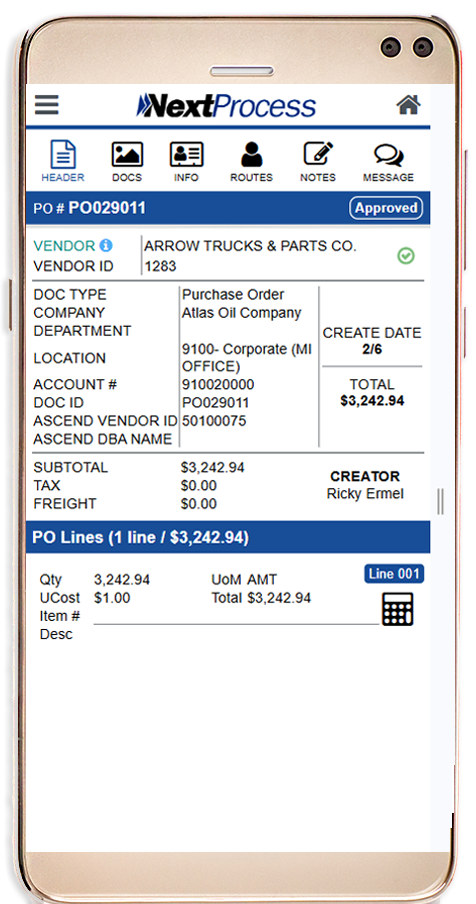
ERPs We Integrate With
Fits right into your stack.
Don’t see your ERP listed? We support nearly all platforms, including custom integrations.





















Finally, a System That Just Works
Say Goodbye to Workarounds
Replace spreadsheets, emails, and manual processes with one platform built to eliminate bottlenecks — not create them. Start with one solution or use the full suite — our modular design helps you improve exactly where you need it most.
See Why NextProcess Is Different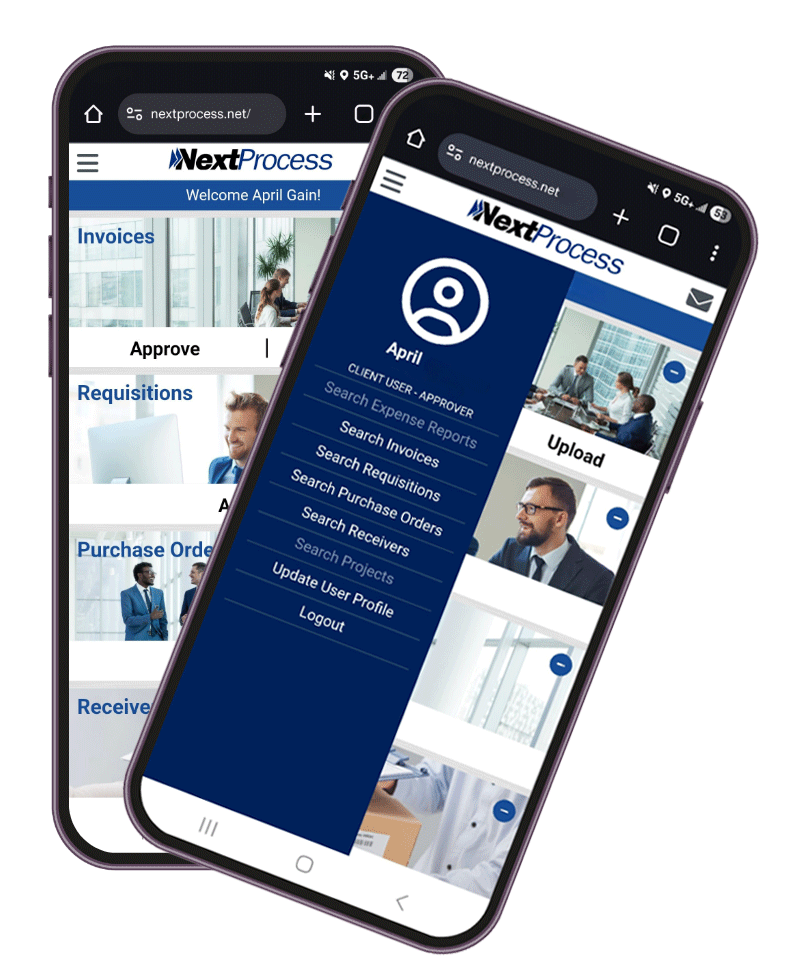

- Capital Expense
Invest in Smart Growth
- Procurement
Buy with Confidence
- Accounts Payable
Payables Made Easy
- Disbursement
Trusted Payments, Every Time
AI-driven Efficiency
Speed up invoice approvals, cut errors, and free your team for higher-value work.
AP Professionals

Customizable approvals
Build approval workflows and thresholds that fit your security and policy needs.
IT professionals
Sourcing Professionals
Forecasting with Clarity
Gain clear cash-flow projections and make budgeting decisions with confidence.
Financial Leaders
Trusted by








Build the Workflow Your Team Actually Needs
Whether you start with one solution or transform everything from budget to payment, we’ll help you identify the best fit for your organization and goals.
INSIGHTS & RESOURCES
Clarity for Finance, Operations, and IT Leaders
Analysis and guidance on business process automation, ERP integration, and financial operations, written for teams focused on control, visibility, and measurable outcomes.